By Ace Roofing & Construction Published Last updated
Roof replacement cost in San Francisco depends mostly on six things: the type and size of the roof, how hard it is to get materials and crew onto it, how many old layers have to come off, the condition of the decking underneath, permits, and the materials you choose. That's why two roofs of the same size can have very different prices. The only way to get a real number is an estimate based on your actual roof.
We're not going to throw out price ranges that may not match your home. Instead, here's what goes into the number, so you can read any estimate — ours or someone else's — with confidence.
Roof type, size and shape
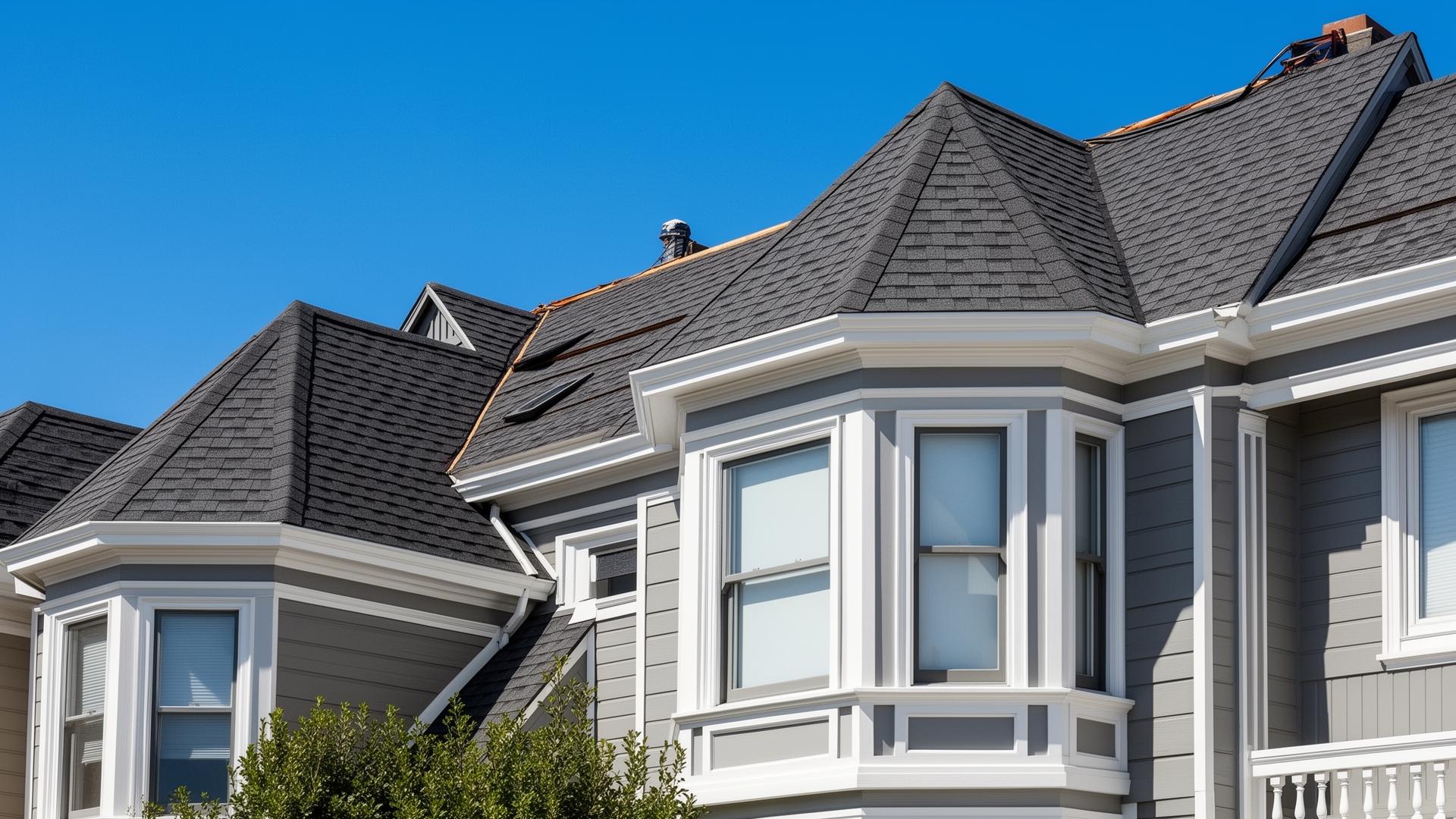
Size matters, but shape matters almost as much. A simple single-plane flat roof goes faster than a Victorian with a front gable, a flat section behind the parapet, bay windows with their own small roofs, and a light well. Every change in direction adds flashing, cutting and detail work.
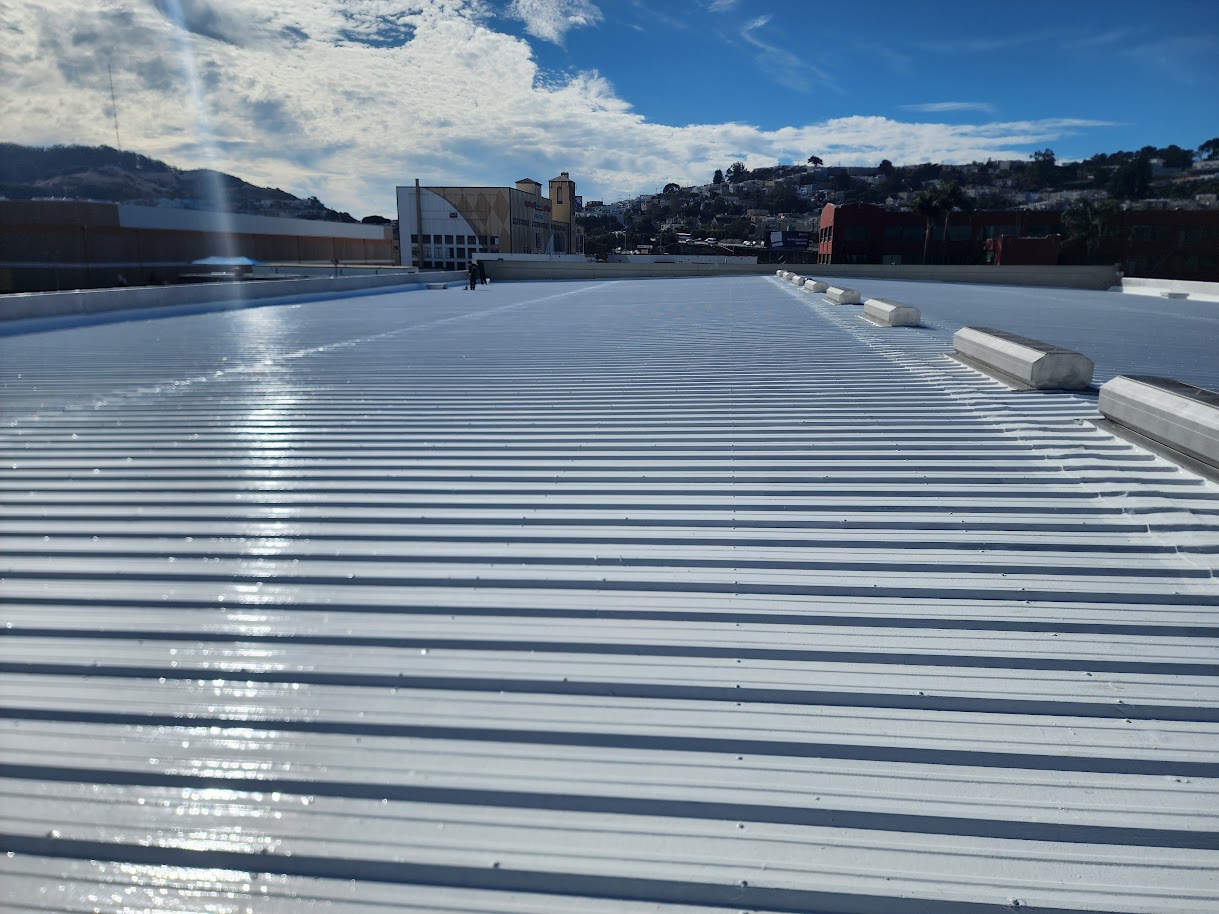
- Flat and low-slope roofs: priced by area plus edges, drains, parapets and penetrations
- Pitched roofs: priced by area plus steepness, valleys, hips, ridges and dormers
- Mixed roofs: very common in SF — each section is priced for its own system
Read more about how mixed roofs work on older homes in our Victorian roofing guide.
Access: hills, attached buildings and no driveway
This is the factor national cost guides miss. In San Francisco, a lot of the labor on a roof job is just getting materials up and debris down.
- Steep streets in neighborhoods like Bernal Heights, Noe Valley and Pacific Heights make staging and parking harder
- Attached buildings with no side yard mean everything goes up the front or through the back
- Tall buildings may need extra ladders, hoisting, or scaffolding
- Limited street space affects where a dumpster or debris truck can go, and may need a street-space permit
A good estimate says how access is being handled. If one quote is much lower, check whether it accounts for this.
Tear-off and number of existing layers
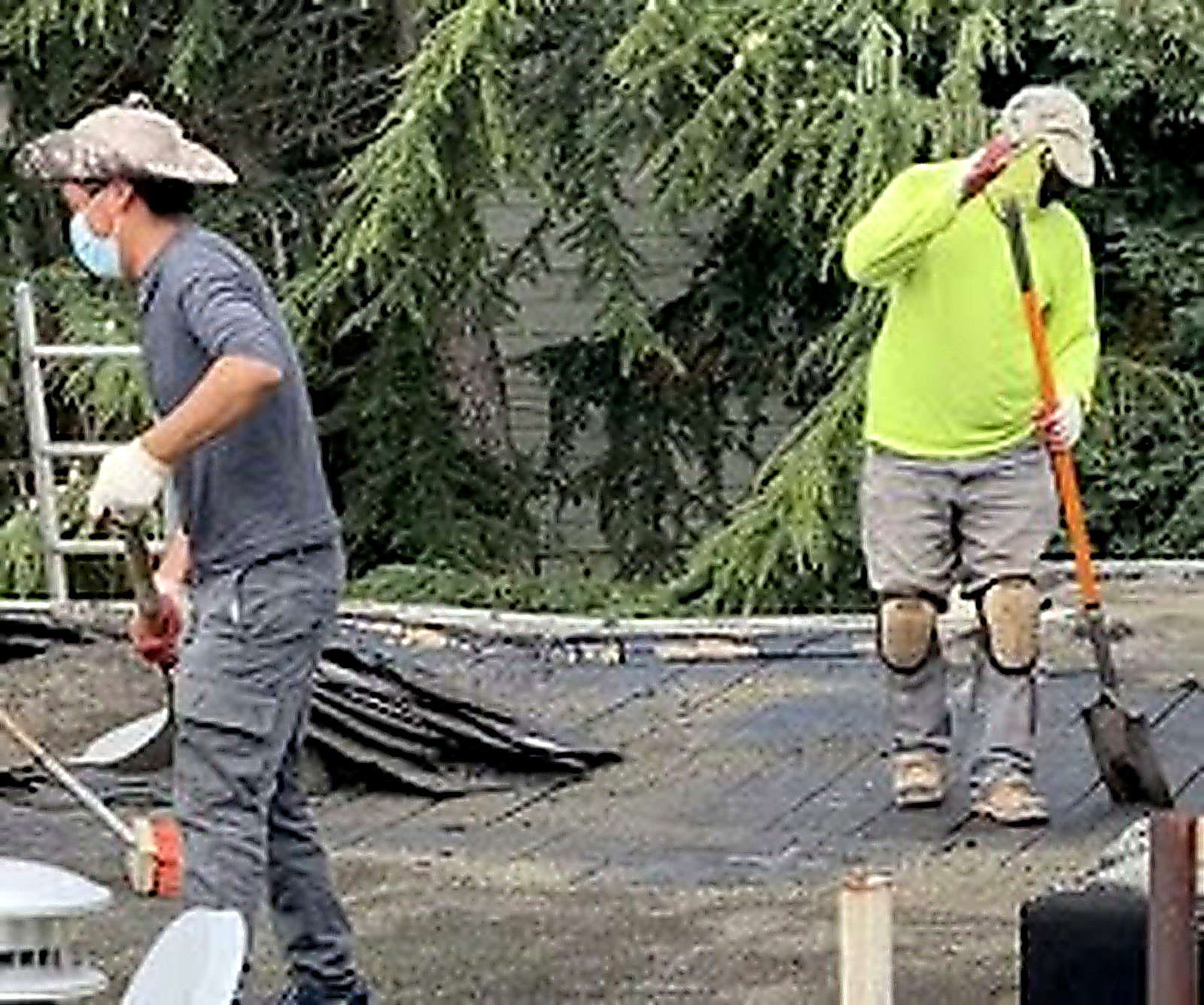
Many older San Francisco roofs have more than one layer, and some have several. Removing old roofing takes labor, and disposal is charged by weight and volume. The more layers, the more it costs to remove them.
In most cases we recommend a full tear-off. It lets us see the decking, fix problems, and start with a clean surface. Code also limits how many layers a roof can have. An overlay may be possible in some situations, and when it's a reasonable option, we'll tell you.
Decking and hidden damage
The decking is the wood surface the roof sits on. Until the old roof comes off, nobody can see all of it. Long-term leaks can rot sections that need replacing.
An honest estimate explains how decking repair is handled — usually as a per-sheet or per-foot price for any wood that needs replacing, with photos so you can see it. Be cautious of a quote that says nothing about decking at all; that cost tends to appear later.
A roof inspection before you get bids helps. We check from inside the attic or ceiling where possible, looking for stains and soft spots that hint at what's under the roof. See what happens during a roof inspection.
Permits
Re-roofing in San Francisco generally requires a permit, and the permit fee is part of the cost. Permits exist to make sure the work meets building and fire codes. We explain this in more detail in our guide to San Francisco roofing permits.
Materials and system choice
Material choice affects both the price today and how long the roof lasts. Options we work with include asphalt shingles, metal, torch-down modified bitumen and TPO, among others. Within each type there are grades — thicker membranes, higher-rated shingles, and better underlayments cost more and often last longer.
- Flat roof systems: torch-down vs TPO — see our comparison
- Insulation and cover boards on flat roofs add cost but can improve drainage and comfort
- Flashing, edge metal, vents and drains are part of the system and shouldn't be skipped
- Fire ratings matter in some areas, especially hill neighborhoods in the East Bay
How to compare roof replacement quotes
When you have more than one estimate, compare them line by line, not just by the total.
- Is it a full tear-off? How many layers are coming off?
- How is decking replacement priced?
- What exactly is the new system — material, thickness or grade, underlayment, insulation?
- Are flashing, edge metal, drains, vents and skylight details included?
- Are permits, disposal and cleanup included?
- What warranty is offered on workmanship, and what does the manufacturer cover?
- Is the contractor licensed, bonded and insured? (Ace is CA License #C39 1062496.)
Our post on choosing a licensed roofing contractor in California explains how to check a license.
Timing and scheduling
When you schedule a replacement can affect the job. Most roofing work needs dry weather, so many homeowners plan replacements for the drier months. If your roof is leaking now and replacement is months away, a temporary or targeted repair can protect the house in the meantime — we'll tell you if that makes sense.
Scheduling also depends on permits and on any repairs to framing or decking found once the old roof is off. A clear estimate explains how surprises are handled, so a change in scope doesn't come as a shock halfway through the job.
Do you actually need a replacement?
Before you budget for a new roof, make sure you need one. Plenty of roofs that look tired have years of life left with targeted repairs. We'd rather fix what's broken than sell a roof you don't need. If repair makes more sense, we'll say so. If replacement is the right call, we'll show you why. Learn more on our re-roofing page or in repair vs replace: what your SF roof needs.
We provide free estimates across San Francisco, the Peninsula and the East Bay, including Noe Valley, Bernal Heights and Pacific Heights.
Frequently Asked Questions
How much does a roof replacement cost in San Francisco?
It depends on your roof's type, size, shape, access, number of layers, decking condition, permits and materials. Because those vary so much in SF, the reliable way to get a number is a free on-site estimate.
Why are roof replacements more expensive in San Francisco?
Steep streets, attached buildings, limited parking and staging, multiple old layers, and complex roof shapes all add labor that national averages don't account for.
Is a tear-off always necessary?
Not always, but it's usually recommended. A tear-off exposes the decking so damage can be fixed, and building code limits how many roofing layers are allowed.
Can I repair my roof instead of replacing it?
Often, yes. If problems are limited to specific areas and the rest of the roof is sound, a targeted repair can buy years. A good roofer will tell you honestly which situation you're in.
What should a roof replacement estimate include?
Tear-off and disposal, decking repair pricing, the full new system (materials and grade), flashing and drains, permits, cleanup, warranty terms, and the contractor's license number.
Get a free, no-pressure roof inspection
Family-owned in San Francisco since 1996. We'll tell you honestly whether a repair will do. CA Contractor License #C39 1062496.