By Ace Roofing & Construction Published Last updated
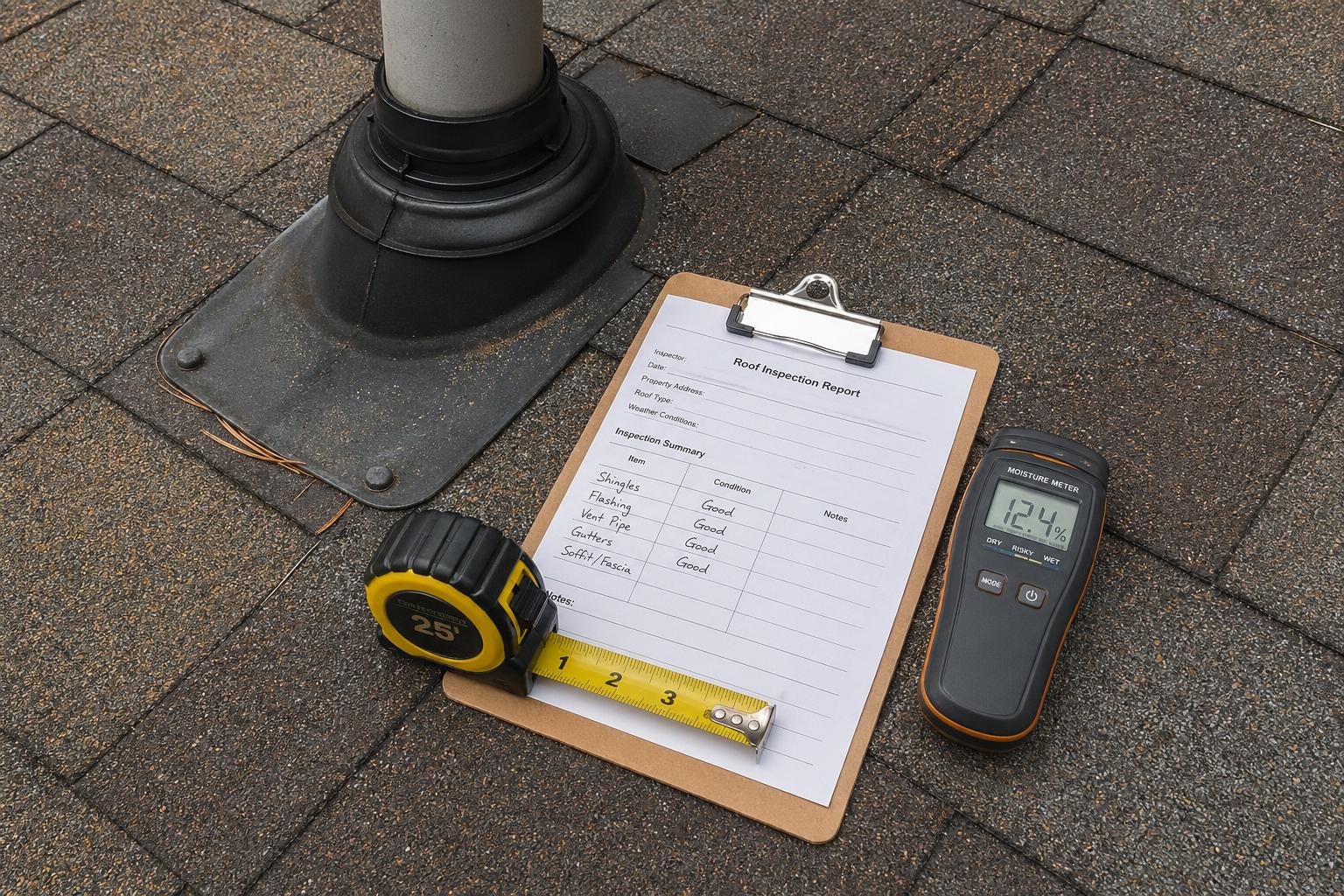
A roof inspection in San Francisco should cover three areas: the roof itself (surface, flashing, drains, skylights and penetrations), the ceilings and spaces below it for signs of leaks, and the outside of the home — gutters, downspouts and walls. At Ace, you get written findings with photos, and an honest recommendation: what needs fixing now, what can wait, and whether repair or replacement makes sense.
Here's what that looks like step by step, and how to get the most out of it.
Why get a roof inspection?
Most people call for an inspection for one of these reasons:
- A leak, a stain on the ceiling, or a worry after a storm
- Buying or selling a home
- Planning ahead — wanting to know how much life a roof has left
- Annual maintenance, usually before the rainy season
- Getting a second opinion after another contractor recommended a replacement
That last one matters to us. We believe in repair before replace. An inspection is how we figure out which one your roof actually needs.
Part 1: On the roof
When it's safe to access, we walk the roof and check:
- The surface: shingles, membranes, cap sheets or metal — cracks, blisters, missing pieces, worn granules, soft spots
- Seams and laps on flat roofs
- Flashing at parapets, walls, chimneys, valleys, edges and vents
- Drains, scuppers and gutters — are they clear and working?
- Skylights — curb flashing, seals and glazing
- Penetrations — pipes, HVAC, solar mounts
- Signs of ponding water on flat sections
- Previous repairs and whether they're holding
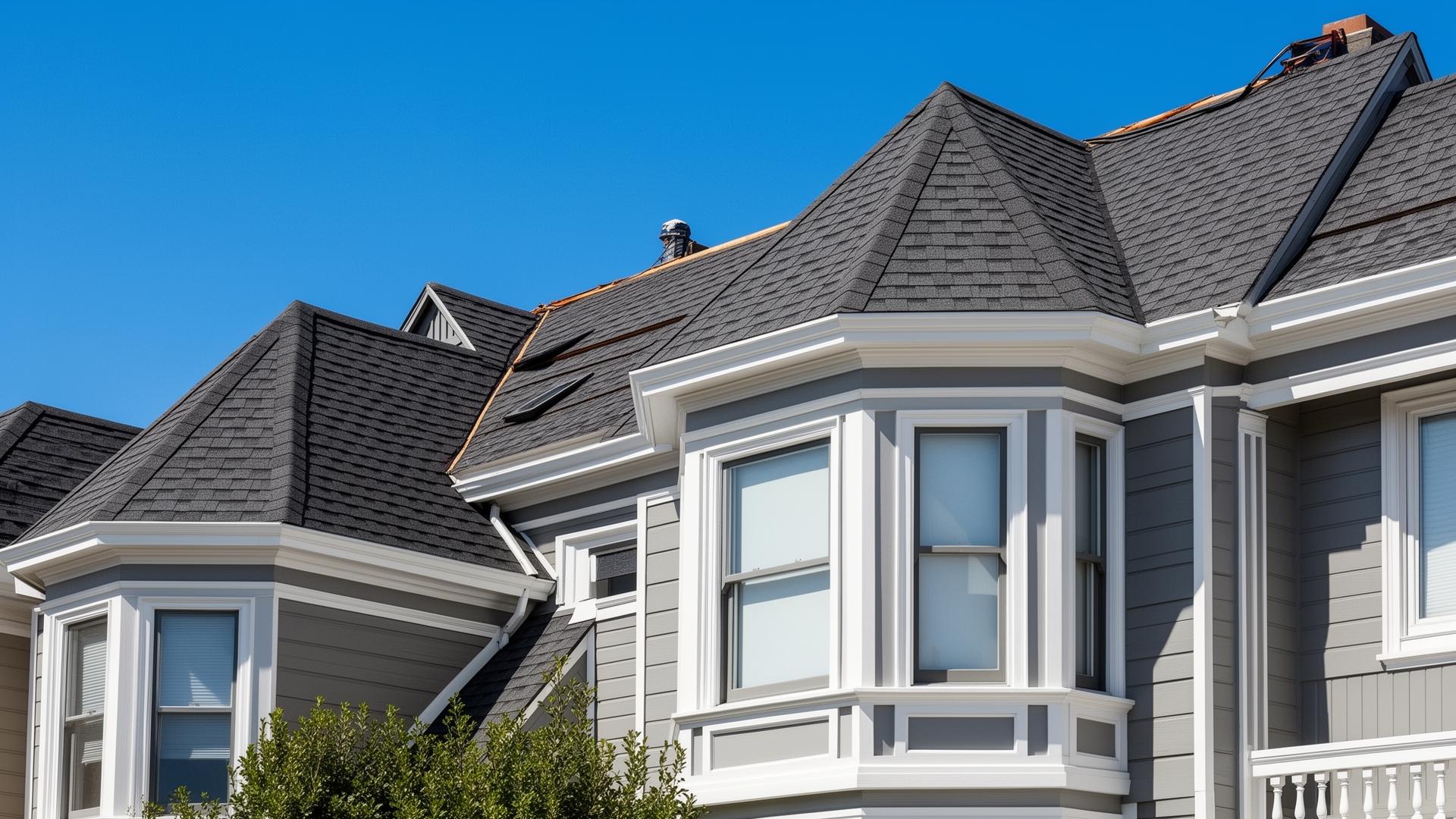
We take photos as we go, so you can see what we see. On San Francisco Victorians, that includes the flat sections behind parapets that you can't see from the street — see our Victorian roofing guide.
Part 2: Ceilings and spaces below
The roof tells half the story. The rest is inside. We look at top-floor ceilings, closets, stairwells under skylights and the attic or crawl space when there is one. We're looking for:
- Water stains, new or old
- Peeling paint or bubbling drywall
- Damp or stained framing and decking from below
- Signs of poor ventilation like excess heat or moisture
Old stains matter. They show where the roof has leaked before, which often points to the next problem.
Part 3: Around the home
We also walk the perimeter of the home. Gutters, downspouts and the walls below the roof edges show how water is leaving the roof. Overflow stains, rot at fascia boards, and disconnected downspouts are all clues.
What you receive
After the inspection, you get written findings with photos. We explain:
- What we found and where
- What needs attention now and what can wait
- Our honest recommendation — repair, maintenance, or replacement
- A rough sense of the roof's remaining life
- A free estimate for any work we recommend
If you're buying a home, the findings can be shared with your agent. Our home buyer's roof inspection checklist has more on that.
How an inspection supports the repair-vs-replace call
The point of a good inspection is an honest answer. Here's how we use what we find:
- If problems are limited to a few details and the rest of the roof is sound, we recommend a targeted roof repair
- If the roof is wearing out but has time left, we may recommend maintenance and a plan for the future
- If the roof is worn out across the board, or there's widespread hidden damage, we recommend re-roofing — and show you the photos that back that up
We'd rather fix what's broken than sell you a roof you don't need. If you're weighing a replacement, what drives roof replacement cost explains the budget side.
What happens after the inspection
There's no pressure to do anything right away. You get the findings and our recommendation, and you decide what to do and when. If repairs are needed, we give you a free estimate. If the roof is fine, we'll tell you that too — and suggest when to check it again.
If you've already received a recommendation from another contractor, we're happy to give a second opinion. Sometimes we agree that a replacement is needed. Sometimes we find that a targeted repair will do the job for years.
Inspections for home buyers and sellers
General home inspections often don't include a close look at the roof, especially on tall SF buildings where the inspector can't safely get up. A roof-specific inspection gives buyers a clearer picture before removing contingencies, and gives sellers a chance to fix issues before listing. Either way, you get the same written findings with photos, in plain language, so everyone involved in the sale is looking at the same facts.
How to prepare for your inspection
You don't need to do much, but a little preparation helps us give you a better answer.
- Note any leaks or stains you've seen, and when they happened — during heavy rain, wind, or all the time
- Gather any paperwork from past roof work: dates, invoices, warranties, permits
- Make sure we can get to the attic or ceiling access if there is one
- Let us know about recent work by other trades on the roof, such as solar or HVAC
- Take photos of any leaks during storms — they're very helpful
Questions worth asking during the inspection
- What's the most urgent issue, and what can wait?
- How much life does the roof have left, roughly?
- Is this a repair, or does the roof need replacing — and why?
- Can you show me photos of what you found?
A good inspector should be glad to answer all of these in plain language. If anyone pushes you toward a full replacement without showing you why, get a second opinion.
When to schedule one
The best time for a routine inspection is early fall, before the rainy season — see how to prepare your roof for the rainy season. Book one any time you notice a leak or stain, after a big storm, or before buying a home.
Ace Roofing & Construction is a family-owned company that has been inspecting and repairing San Francisco roofs since 1996. CA License #C39 1062496 — licensed, bonded and insured. We serve every SF neighborhood, including the Richmond and Excelsior, plus the Peninsula — like South San Francisco — and the East Bay. Book through our roof inspection service.
Frequently Asked Questions
What does a roof inspection include?
A thorough inspection covers the roof surface, seams, flashing, drains, skylights and penetrations; the ceilings and attic below for signs of leaks; and the gutters, downspouts and walls around the home.
How long does a roof inspection take?
Usually 45–90 minutes for a single-family home, longer for multi-plane Victorians or buildings that are harder to access.
Will I get a written report?
Yes. Ace provides written findings with photos, an honest recommendation, and a free estimate for any work recommended.
Can an inspection tell me if I need a new roof?
Yes. It shows whether problems are limited to specific areas that can be repaired, or whether the roof is worn out and needs replacing.
How often should I have my roof inspected?
Once a year is a good habit, ideally in early fall, plus after major storms and before buying a home.
Get a free, no-pressure roof inspection
Family-owned in San Francisco since 1996. We'll tell you honestly whether a repair will do. CA Contractor License #C39 1062496.