March 5, 2026
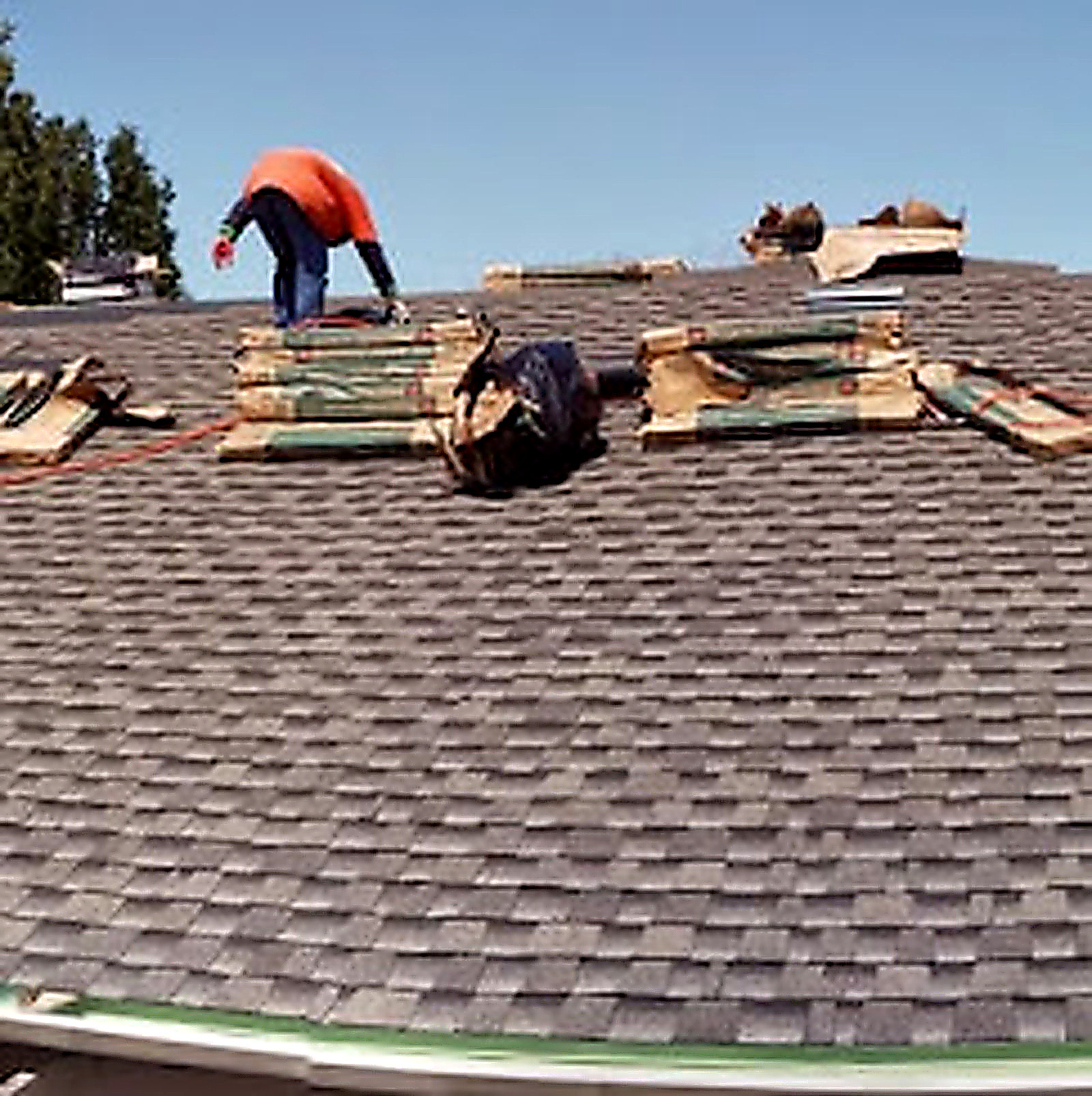
Hiring an unlicensed roofer in California is one of the most expensive mistakes a homeowner can make. The state's licensing system exists for a reason: it weeds out fly-by-night operators, ensures contractors carry insurance, and gives you legal recourse when something goes wrong. Before you sign anything, take 30 seconds to verify the contractor you're considering — it's the single highest-leverage thing you can do.
California requires roofing contractors to hold a C-39 license issued through the Contractors State License Board (CSLB). You can search any license at cslb.ca.gov by name, business name, or license number. The lookup shows the license status, the names on the license, the bond, and any complaints or disciplinary actions. If a contractor can't or won't give you a license number, walk away — they're either unlicensed or hiding something material.
Beyond the license itself, ask for current proof of two insurance policies: general liability and workers' compensation. General liability covers damage to your property if something goes wrong during the job. Workers' comp covers injuries to the crew. This second one matters more than most homeowners realize: if an uninsured worker is hurt on your roof, you as the property owner can be held personally liable for medical bills and lost wages. Reputable contractors are used to providing certificates of insurance on request and can have them emailed to you within an hour.
California also requires every licensed contractor to maintain a $25,000 contractor's bond. The bond protects you if the contractor takes your deposit and disappears, fails to complete the work, or violates building code. Confirm the bond is active on the CSLB listing — it expires and gets reinstated, and an inactive bond is a red flag.
Get every promise in writing. Verbal commitments don't survive the first leak or schedule slip. A proper contract should spell out the scope of work in detail, the exact materials and manufacturer being used, the start and completion dates, the payment schedule (California law caps the down payment at 10 percent or $1,000, whichever is less), the warranty terms for both materials and labor, and what happens if hidden damage is found mid-job. If a contractor pushes back on putting any of this in writing, that's your signal to keep looking.
Finally, check reviews on Google, Yelp, and the Better Business Bureau, but read them carefully. A contractor with all five-star reviews and no detail is suspicious. Look for reviews that describe specific situations — a tough repair, a hidden problem caught early, a warranty honored after the fact. Those are the signals of a contractor who actually does the work the right way.