By Ace Roofing & Construction Published Last updated
Understanding the roof and its condition
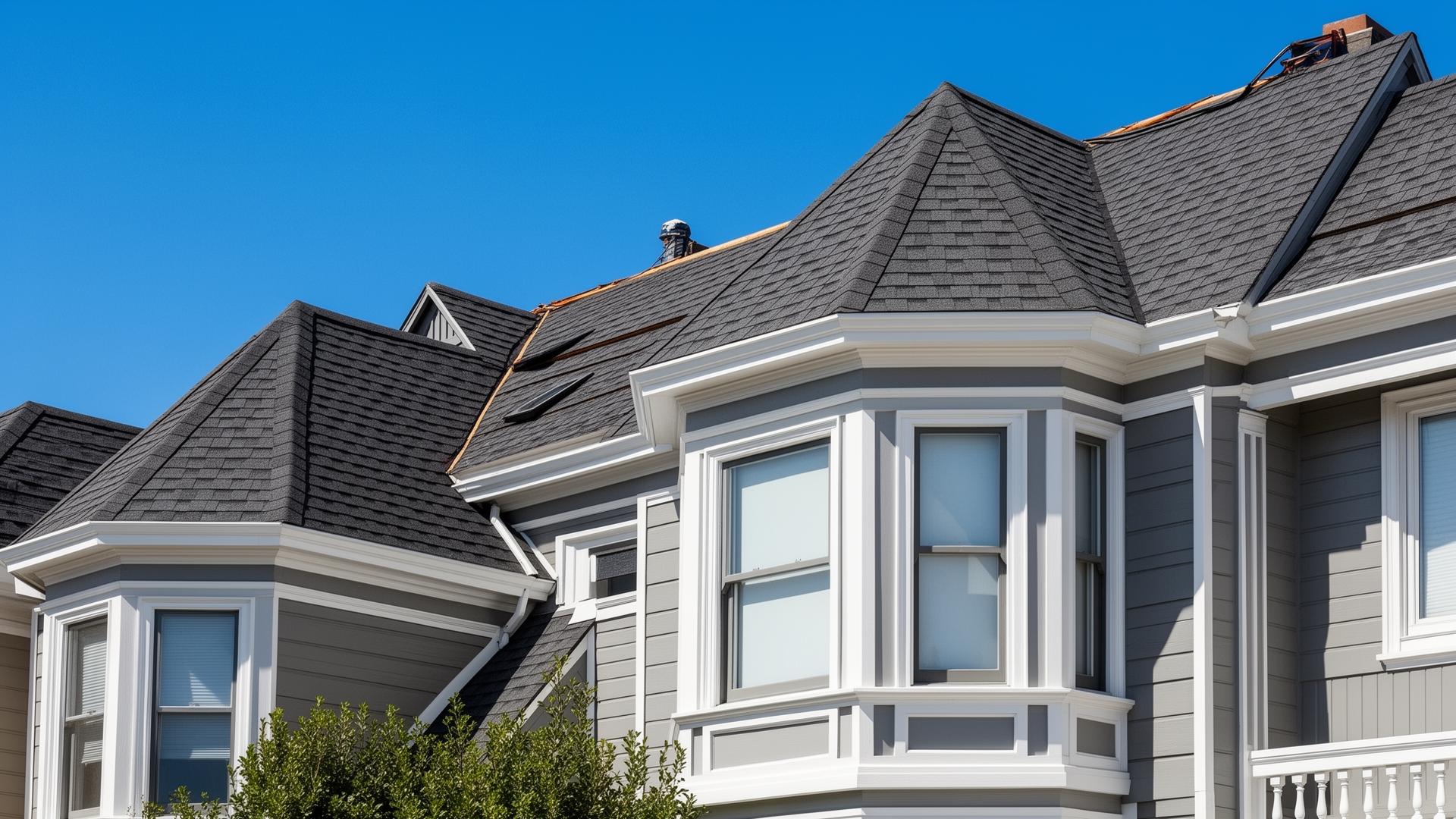
One of the most common questions we get from San Francisco homeowners is whether a leaking or aging roof needs to be fully replaced or whether a targeted repair will do the job. The honest answer depends on age, scope of damage, and the underlying structure — and any contractor who tells you 'always replace' without inspecting carefully is selling, not advising.
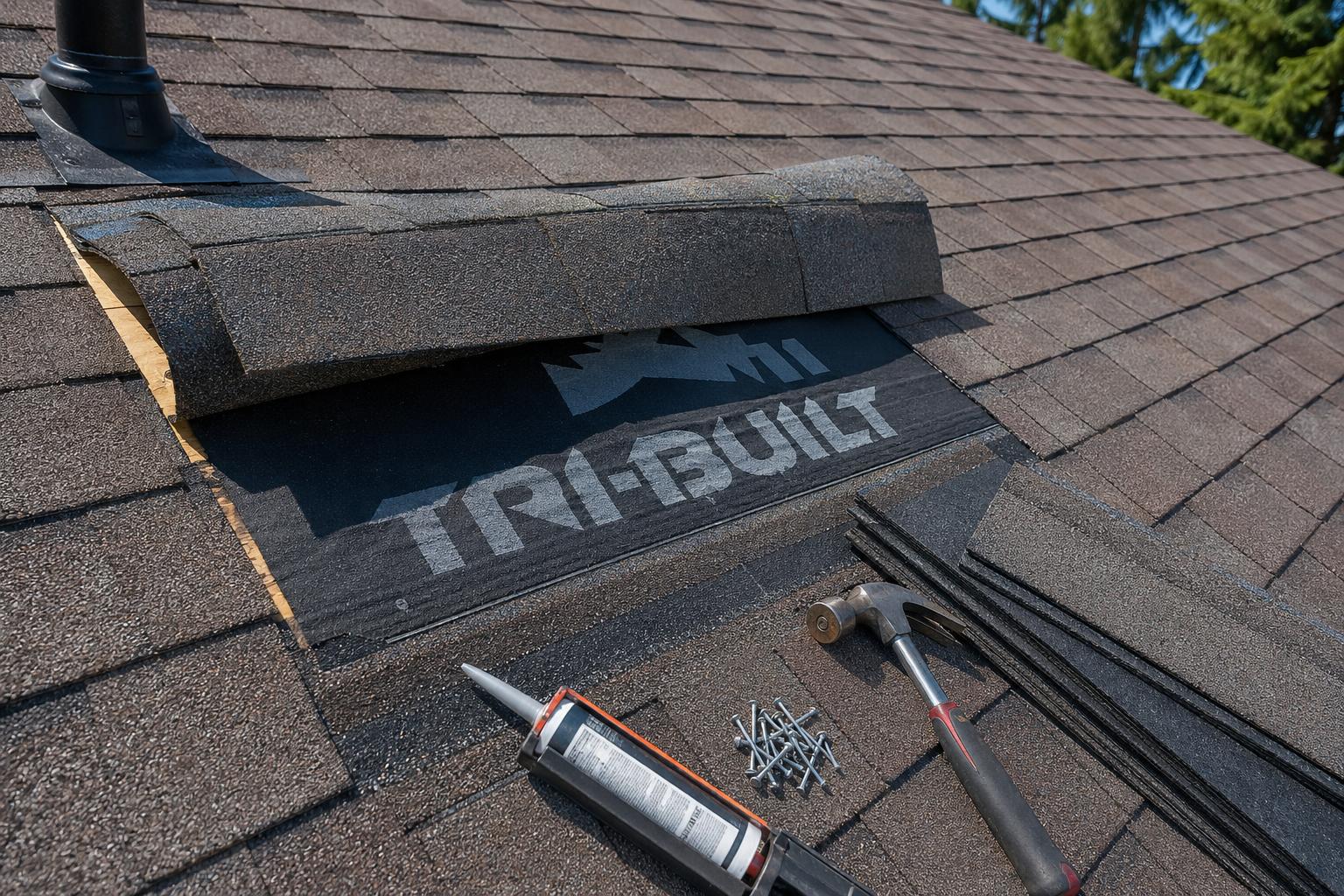
If your roof is under 15 years old and the leak is isolated to a single area — a flashing detail, a slipped shingle, a cracked seam around a vent — a targeted repair almost always wins. Patching a single problem area typically costs 5 to 15 percent of a full re-roof and buys real time, often another 5 to 10 years of service life if the rest of the system is sound. We see this constantly with relatively new homes where one bad penetration is the entire source of trouble.
Replacement starts making sense when the symptoms are systemic. Multiple leaks across different roof planes, widespread granule loss in the gutters, curling or cupping shingles across whole sections, sagging in the decking visible from below, or daylight visible from inside the attic all point to a roof that's reached the end of its service life. At that point, repairing one section just shifts the next leak somewhere else, and you'll spend more on incremental patches over three years than you would on a single planned re-roof.
Age is the other big factor. Composition shingle roofs in SF's climate typically last 20 to 25 years; flat single-ply roofs 15 to 25 depending on material and maintenance; metal 40 plus. If your roof is in the final third of that range and already showing problems, replacement is usually the more economical move even when individual repairs would technically hold.
Before committing to either path, get more than one opinion — ideally from a contractor who will quote both a repair and a replacement and tell you straight which they'd actually recommend. A reputable roofer will turn down a replacement job if a repair will solve the problem; that's the single best signal of an honest contractor. If two of three estimates say 'repair' and one says 'replace,' trust the consensus.
Finally, factor in the things repairs can't fix: outdated underlayment, missing ice-and-water shield in critical areas, inadequate ventilation, or framing issues that have been hidden under the existing roof. A full replacement is the only time you get to address those, and on an older SF home they're often worth the investment on their own.
Ask for evidence behind the recommendation
Roof age is useful context, but it is not a diagnosis. A newer assembly can develop a flashing defect, while an older field may still be serviceable around a localized leak. Ask the inspector to show the failed detail and the condition of the surrounding material. A repair needs enough sound substrate and compatible covering to connect successfully; otherwise a small patch may offer only temporary protection.
If several repairs have already been attempted, establish whether they addressed the same entry point or different defects. Repeated sealant patches around a skylight may indicate that the flashing needs rebuilding rather than that every roof plane needs replacement. Conversely, widespread material deterioration across unrelated areas can make a series of localized repairs less practical. The distinction should be explained with observations, not sales language.
Compare the scope and limitations of both options in writing. A repair proposal should say which detail is corrected and what older surrounding material remains. A replacement should explain tear-off, decking inspection, drainage improvements and new flashings. Ask how hidden damage is documented and approved. Do not assume that a large proposal automatically fixes an unresolved wall leak outside its stated scope.
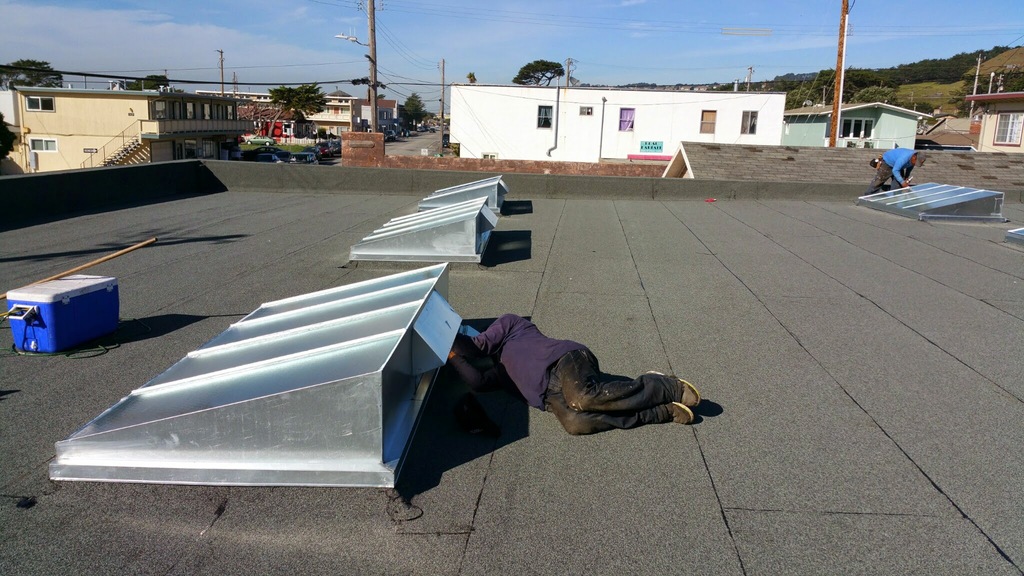
Consider related projects before deciding. Planned solar work, a new skylight or remodeling may affect how best to coordinate roof access and penetrations. Scheduling work together can avoid disturbing a recently repaired area, but it does not justify replacing a sound roof without evidence. Ask what maintenance is needed after either option and keep repair records so future decisions are based on the actual history.
Read about roof repair, replacement and inspection. Our North Beach and Noe Valley pages show why complex layouts need individual evaluation. Request an assessment and ask for an explanation of the observed defect, the recommended work and the limits of leaving the rest of the roof in place.
Keep useful records after the assessment
Ask how a completed repair will be documented and what to watch for afterward. Useful photographs show the defect’s location, the work performed and its connection to the remaining assembly. A repair may stop one entry point while leaving unrelated aging components outside the scope, so expectations should be clear. Keep a note of the weather conditions under which the original leak appeared and report any repeat symptom with similar detail. If a warranty is offered, read its conditions and contact process before relying on it. The decision to repair should be followed by sensible monitoring, not an assumption that the entire roof has become new.
Get a free, no-pressure roof inspection
Family-owned in San Francisco since 1996. We'll tell you honestly whether a repair will do. CA Contractor License #C39 1062496.