By Ace Roofing & Construction Published Last updated
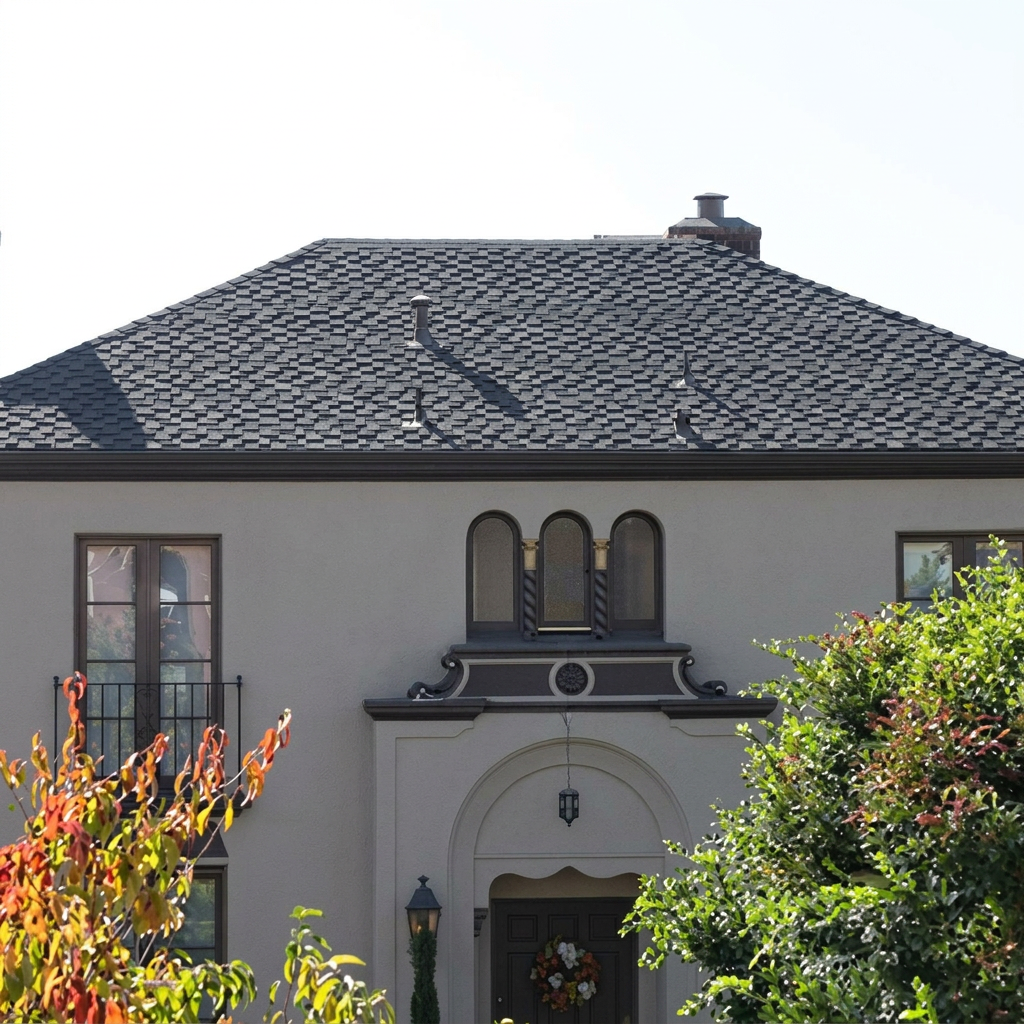
In San Francisco, replacing a roof generally requires a building permit from the Department of Building Inspection (DBI). Small repairs may not, but a re-roof, structural work, or changes to the roof usually do. A permit protects you: it means the work is reviewed against building and fire codes, it creates a record for future buyers and insurers, and it helps avoid problems when you sell.
Permit rules change, and this article is general guidance, not legal advice. Always confirm current requirements with DBI or with a licensed roofer who pulls permits in the city regularly.
When a roofing permit is generally needed
As a broad rule across California cities, including San Francisco, these kinds of roofing work usually need a permit:
- Re-roofing — removing and replacing the roof covering
- Replacing roof decking or sheathing
- Structural work on rafters, joists or framing
- Adding or changing skylights, roof hatches or large openings
- New roofs on additions or new construction
Minor repairs — like replacing a few shingles or patching a small area — are often handled differently. Where exactly the line falls is set by the city and can change.
Why a permit matters to you
Permits can feel like red tape, but they work in the homeowner's favor.
- Code compliance: the work is checked against building and fire codes, including requirements for fire-rated roofing where they apply
- Inspections: an inspector looks at the work, which adds a second set of eyes
- Resale: unpermitted work can come up during a sale and cause delays or renegotiation
- Insurance: insurers may ask questions about unpermitted work after a claim
- A record: a permit documents when the roof was replaced, which helps future owners and inspectors
If a contractor suggests skipping the permit to save money, treat that as a warning sign.
Who pulls the permit?
On most roofing jobs, the licensed contractor pulls the permit. That's normal and it's what you want — it ties the work to a licensed, accountable business. Ace Roofing & Construction is licensed under CA License #C39 1062496.
Ask any roofer you're considering how they handle permits, whether the cost is in the estimate, and when the inspection happens. Our guide to choosing a licensed roofing contractor in California covers how to verify a license.
What a roofing inspection under a permit usually involves
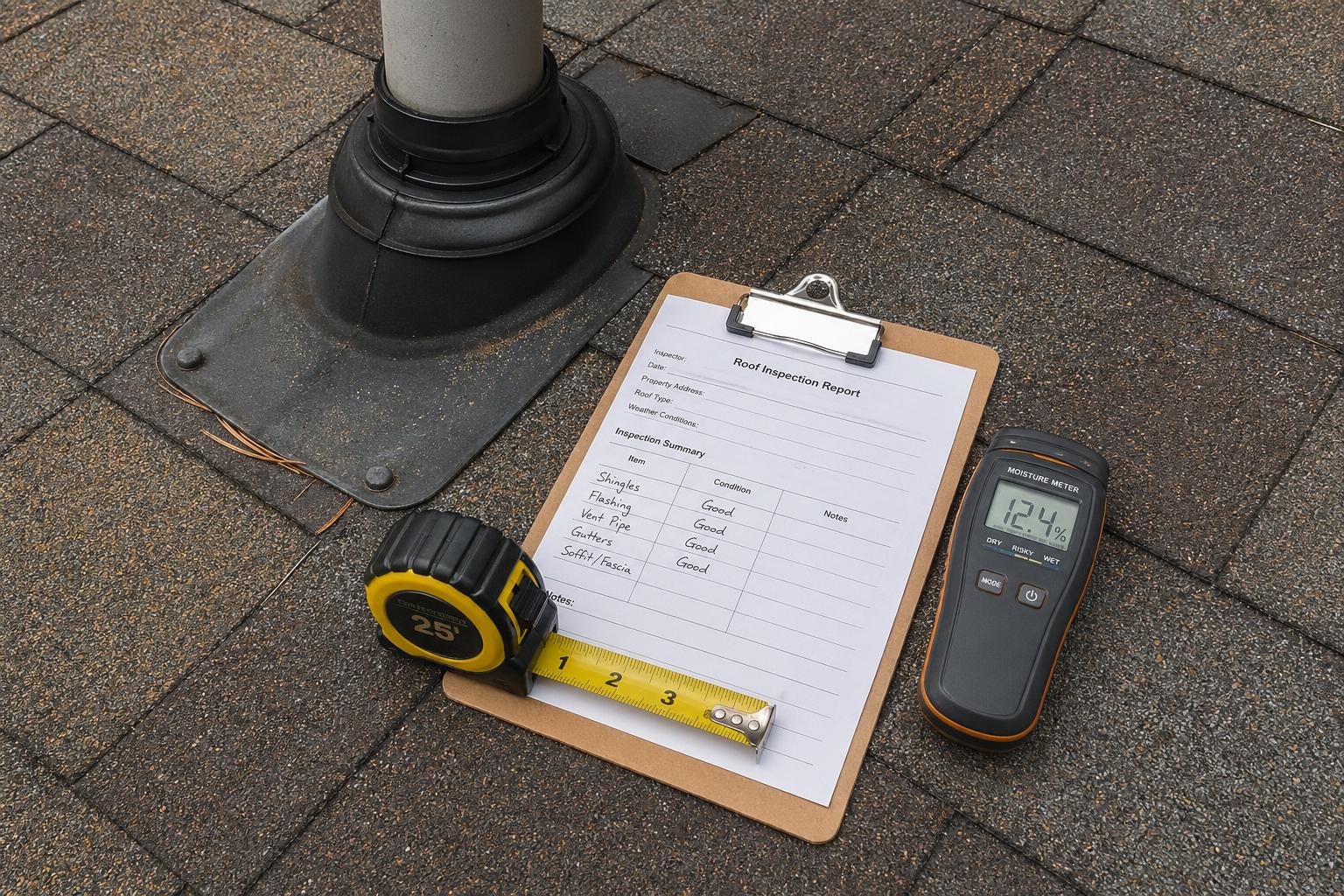
When a permit is issued for a re-roof, the city typically inspects the work at one or more points. In general terms, an inspector may want to see things like the condition of the decking after tear-off, the underlayment and flashing before they are covered, and the finished roof. The exact inspection points depend on the job and current city practice.
For homeowners, the useful part is that someone other than the contractor looks at the work. It is a check on quality, not just paperwork.
Questions to ask your roofer about permits
- Does this job need a permit, and will you pull it?
- Is the permit fee included in your estimate?
- When will inspections happen, and do I need to be home?
- How do inspections affect the schedule?
- Will I get a copy of the final signed-off permit for my records?
Keep the final permit paperwork with your home records. It is useful when you sell, refinance or file an insurance claim, and it tells the next owner exactly when the roof was replaced.
Older and historic buildings
San Francisco has many older homes, and some are in historic districts or are individually significant. Work that changes what can be seen from the street — materials, roof shape, or features on the front — may get extra review. A like-for-like replacement of a roof that isn't visible from the street is usually simpler.
If you own a Victorian or Edwardian, our guide to Victorian home roofing in San Francisco covers the common challenges.
How permits affect your project timeline
For simple re-roofs, permitting usually doesn't add much time. For projects with structural work, new openings or design review, it can take longer. A good contractor builds this into the schedule and tells you upfront.
Inspections also matter for timing. Your roofer will coordinate when an inspector needs to see the work. Planning around the rainy season helps too — see how to prepare your roof for the rainy season.
Peninsula and East Bay cities have their own rules
If your home is outside San Francisco, your city sets its own permit process. Daly City, San Mateo, Oakland, Berkeley and other cities each have their own building departments. Some hillside areas in the East Bay are in fire hazard zones that affect which roofing materials are allowed. We work across the Peninsula and East Bay — see our service areas, including Oakland.
Common misunderstandings about roofing permits
- "It's only a roof, so it doesn't need a permit." A full re-roof generally does in San Francisco.
- "Permits always add months." Simple re-roofs often move quickly; complex or structural projects take longer.
- "Skipping the permit saves money." It can cost more later, during a sale, an insurance claim or a forced correction.
- "The homeowner has to deal with the city." On most jobs, the licensed contractor handles the permit.
If something about a permit doesn't sound right, ask questions until it does. A contractor who works in the city regularly should be able to explain it plainly.
If past work wasn't permitted
Many older homes have had roof work done over the years without permits. If you discover that, don't panic. Talk with a licensed contractor or the city about the options. Often, the simplest path is to make sure the next roof is done properly and permitted.
Permits and your estimate
Permit fees are one of several factors in what a re-roof costs. We break down the rest in what drives roof replacement cost in San Francisco. When comparing quotes, check whether the permit is included. A quote that leaves it out isn't really cheaper.
If you're not sure whether your project needs a full replacement at all, start with a roof inspection. We believe in repair before replace — if a targeted repair will do the job, we'll tell you. If you do need a new roof, our re-roofing service handles the work and the paperwork that goes with it.
Frequently Asked Questions
Do I need a permit to replace my roof in San Francisco?
Generally, yes. Re-roofing in San Francisco typically requires a building permit from the Department of Building Inspection. Confirm current requirements with DBI or your licensed roofer.
Do I need a permit for a small roof repair?
Small repairs are often treated differently than a full re-roof, but where the line falls is set by the city. Ask your roofer or check with DBI for your specific job.
Who is responsible for getting the roofing permit?
On most jobs, the licensed roofing contractor pulls the permit. Ask any contractor how they handle it and whether the fee is in the estimate.
What happens if my roof was replaced without a permit?
It can come up during a sale, an insurance claim or a later inspection. In some cases the work may need to be permitted after the fact. A licensed contractor or DBI can explain the options.
Get a free, no-pressure roof inspection
Family-owned in San Francisco since 1996. We'll tell you honestly whether a repair will do. CA Contractor License #C39 1062496.