By Ace Roofing & Construction Published Last updated
Understanding the roof and its condition
Most general home inspectors in the Bay Area do not walk the roof. They look from a ladder at the eave, or from the ground with binoculars, and write a line that says the roof appears serviceable with no visible defects. On a San Francisco or Oakland property where the roof is the single most expensive deferred-maintenance item you can inherit, that line is not enough to remove a contingency on.
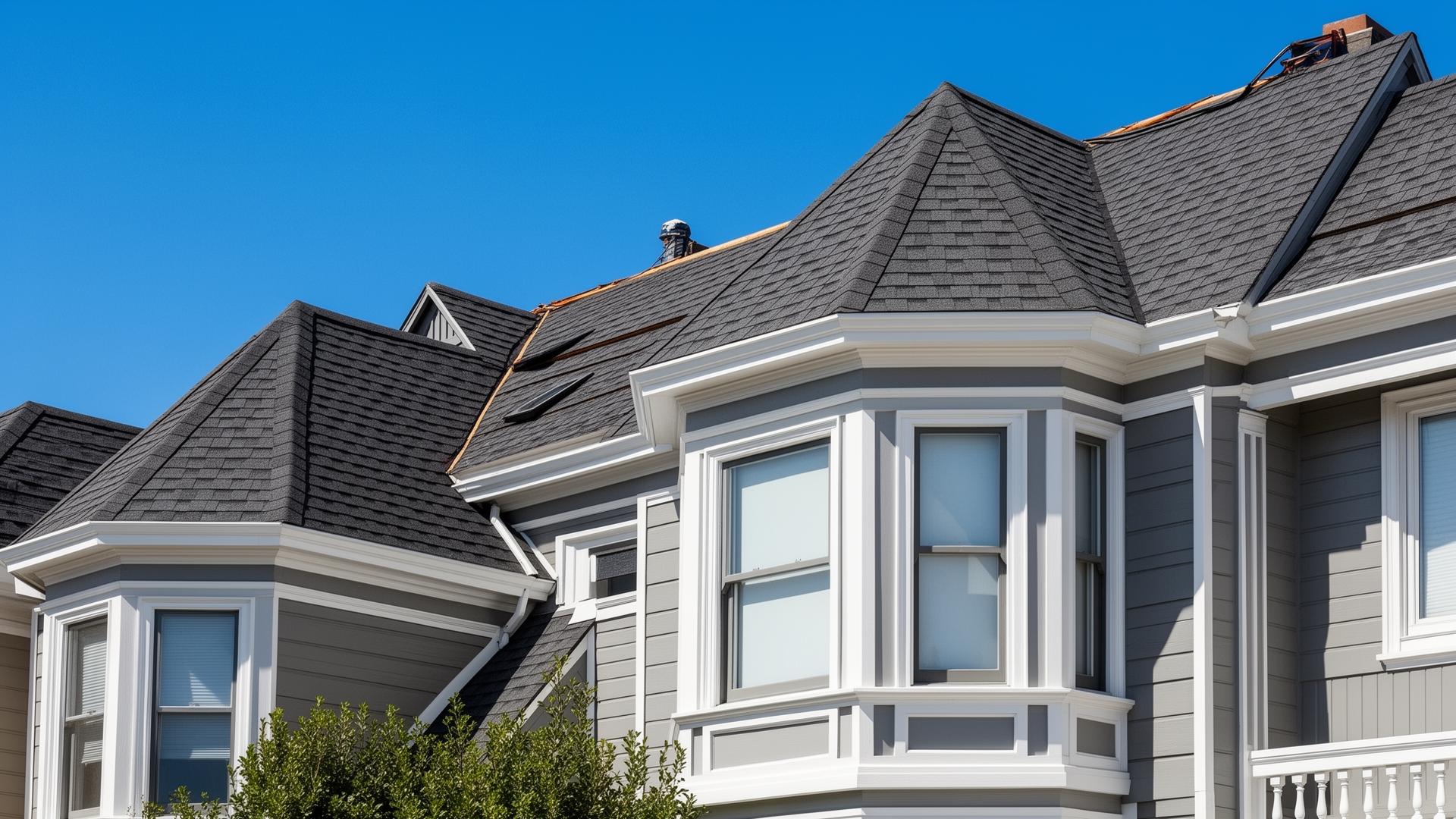
Hand your roofer this list. One: what system is on each roof plane, and how old is each one? Multi-plane homes commonly have sections installed a decade apart. Two: how many layers are there, and can you see evidence of an overlay? Layer count drives tear-off cost dramatically. Three: what is the condition of the decking where visible, and are there soft spots underfoot?
Four: does water pond anywhere on the low-slope sections more than 48 hours after rain, and are the drains, scuppers, and overflow provisions adequate and clear? Ponding is the single strongest predictor of premature failure we track, and it usually points to drainage or structural deflection rather than the membrane itself. Five: what condition are the flashings in at every penetration, chimney, skylight, and roof-to-wall junction? Flashing failures cause more leaks than field failures do.
Six: is there evidence of previous repairs, and were they done properly or with field-applied sealant as a band-aid? Seven: on East Bay hill properties, does the assembly meet current Class A fire requirements? Eight, and most important: what is the realistic remaining service life in years, and what would replacement cost today? You want those two numbers in writing, because together they tell you exactly what to ask the seller for.
Our pre-purchase inspections are free when we can safely access the roof, and you get written findings with photographs, remaining-life estimates, and a replacement figure you can hand to your agent during negotiation. We are not incentivized to find problems — plenty of the reports we write say the roof has ten good years left.
Turn the inspection into a useful decision record
Before the visit, gather any seller disclosures, previous roof invoices, warranties and photographs of known leaks. These do not replace inspection, but they help identify areas that need closer attention. Tell the roofer about planned solar equipment or remodeling as well: work that adds penetrations can affect whether a localized repair remains sensible or should be coordinated with a larger project.
Ask which parts of the roof can be accessed safely and which cannot. A report should distinguish direct observations from conclusions drawn at ground level or from an attic. An inaccessible section is not automatically defective, but it should not be described as thoroughly inspected. Weather, fragile tile and building height may limit access, and those limitations should be clear.
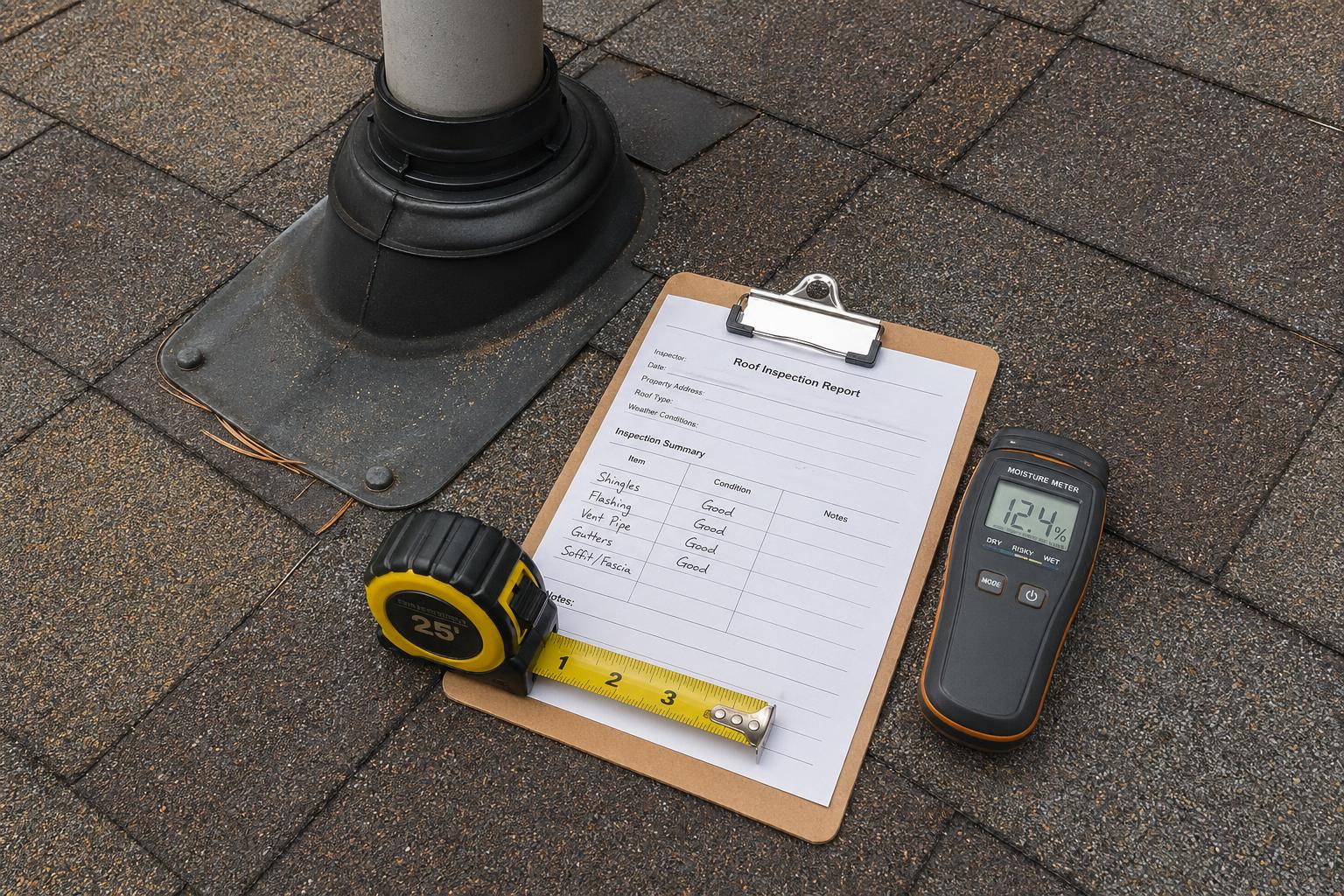
Request photographs that correspond to findings rather than a collection of unexplained close-ups. A roof plan or location description helps you understand whether a defect is on a main field, valley, curb or edge. Recommendations should separate immediate water-entry risks from preventive maintenance and longer-term replacement planning. Remaining-life estimates are judgments, not guarantees, especially where the underside is concealed.
Coordinate timing with your agent and the transaction’s inspection deadlines. If repairs are recommended, obtain a written scope rather than relying on a verbal cost estimate to negotiate. Ask whether additional evaluation is needed after opening an area and whether the repair can be completed under suitable weather conditions. Keep copies of the report and the eventual repair paperwork for future maintenance and resale.
Learn more about our inspection service and what happens during an inspection. Local roof conditions differ in Alameda and the Richmond District. Contact Ace with the property address and your inspection deadline so access and scheduling can be discussed before you rely on a roof opinion.
Keep useful records after the assessment
After receiving the report, ask the inspector to clarify any unfamiliar terminology before relying on it. Words such as serviceable, limited access or localized deterioration describe different levels of certainty. Find out whether a recommendation is preventive, necessary to stop an active leak, or contingent on discovering damage after opening the roof. If the seller agrees to repairs, establish the exact scope and request completion records rather than a general assurance that the roof was fixed. A roof report should support a decision, not replace careful review of the purchase agreement, disclosures or advice from the professionals handling your transaction.
Frequently Asked Questions
How much does a pre-purchase roof inspection cost in the Bay Area?
Our pre-purchase roof inspections are free when we can access the roof safely, and you get written findings with photos and remaining-life estimates you can share with your agent.
How long does a roof inspection take?
Usually 45-90 minutes for a single-family home, longer for multi-plane Victorians or buildings that require ladder staging from the rear.
What is the biggest red flag on a Bay Area roof inspection?
Ponding water on a flat roof more than 48 hours after rain. It signals a drainage or structural deflection problem that a new membrane alone won't solve.
Get a free, no-pressure roof inspection
Family-owned in San Francisco since 1996. We'll tell you honestly whether a repair will do. CA Contractor License #C39 1062496.